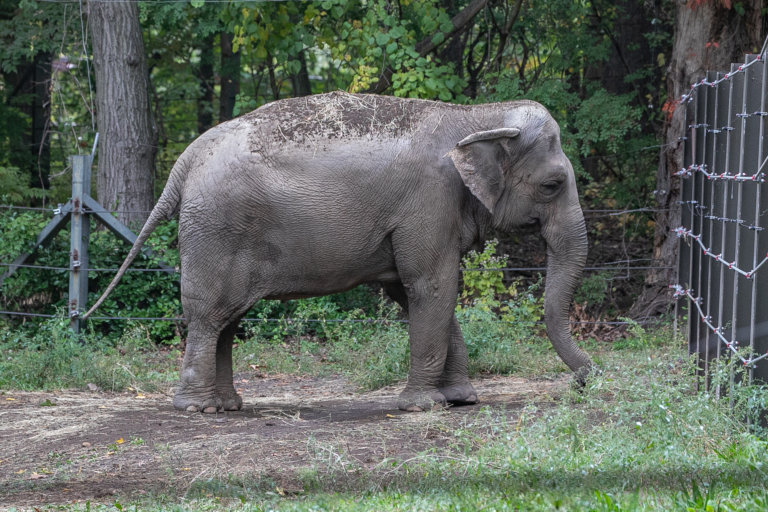
Rights protect against intolerable wrongs—no matter who you are.
With persistence and rigor, we're challenging a centuries-old status quo that unjustly sees all nonhuman animals as legal "things" with no rights.
Honoring the legacy of our founder
On February 15, 2024, Steven M. Wise–our founder, president, and friend–passed away after a long illness. His vision of a world where nonhuman rights are recognized alongside human rights lives on, and our work continues.
Read about Steve’s legacy here.
A video message from the NhRP
Learn about our unique mission and work.
Our clients
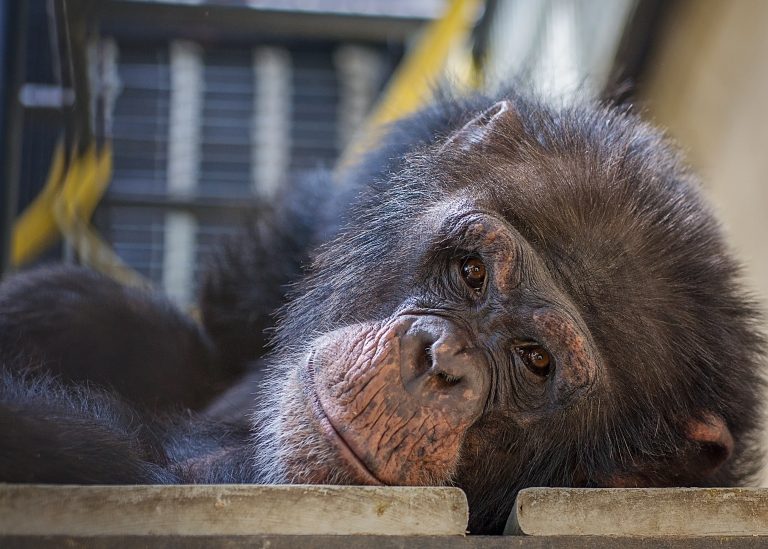
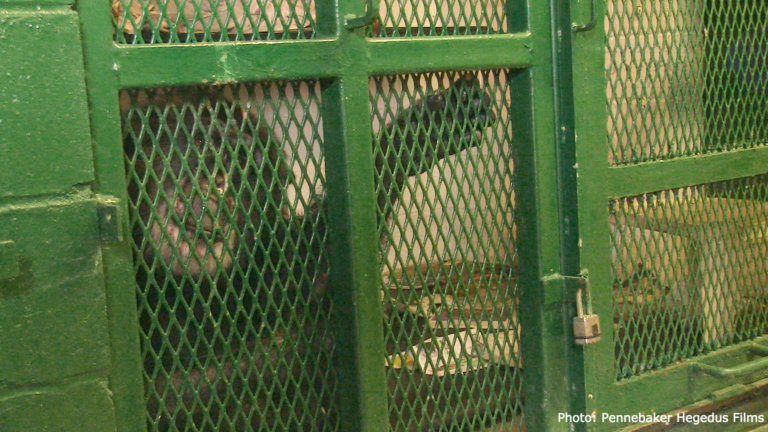
Our initial cases demand the right to liberty of self-aware, autonomous nonhuman beings who undeniably suffer when deprived of their freedom.
Donate to support the fight
Your gift will help make nonhuman rights a legal reality and end the suffering caused by animals' rightlessness.

Donate online
Support nonhuman animal rights litigation, legislation, and education in a few clicks!

Mail a check
The Nonhuman Rights Project, Inc.
611 Pennsylvania Ave SE #345
Washington, DC 20003
611 Pennsylvania Ave SE #345
Washington, DC 20003

Planned giving
Legacy gifts to the NhRP help ensure a future where the rights of animals are recognized and protected.

Create a fundraiser
Share with your friends and family why the NhRP's mission is important to you.
Take action
Here are some quick ways to help our clients and show your support for our mission.

Action alert
Submit a message to help #FreeTheFresnoElephants.
Action alert
Submit a message to help #FreeHappy and #FreePatty.

Sign petition
Join others in calling for Happy's freedom.

Tweet support
Elephants don’t belong in zoos.
Sign petition
Join others in calling for freedom for the Fresno Chaffee Zoo elephants.
Tweet support
The science is clear. When will the law catch up?
Tweet support
I believe in a world where nonhuman rights are protected alongside human rights.
Tweet support
We aren’t the only beings who need and want to live freely.
Media coverage
New Yorker
“A curious legal crusade is raising profound questions about the interdependence of the animal and human kingdoms.”
Associated Press
“Animal rights activists have started legal efforts aimed at removing elephants from zoos.”
The Atlantic
“No case like this has ever reached so high a court, anywhere in the English-speaking world.”

A brief history of the NhRP's impact
As in any fight for social justice, persistence is key to progress. Below are some key milestones in our fight for nonhuman rights.
December 2013
The NhRP launches our long-term litigation campaign in New York with habeas corpus petitions demanding the right to liberty of four captive chimpanzees.
May 2015
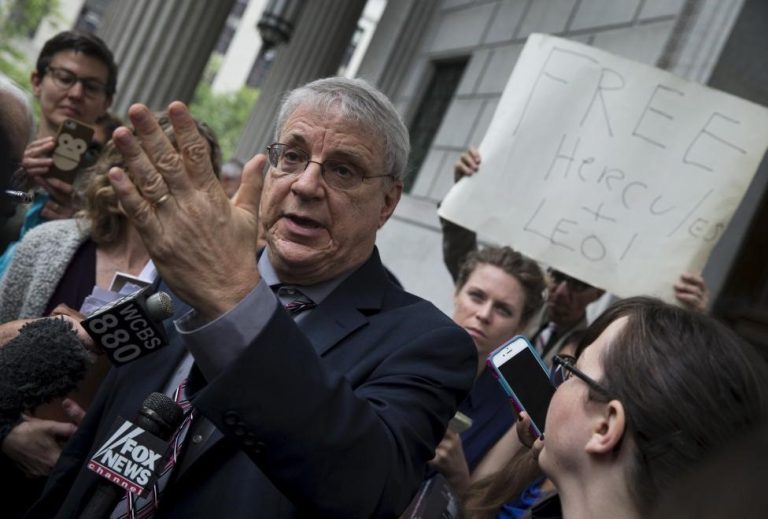
Our chimpanzee clients Hercules and Leo become the first nonhuman animals in history to have habeas corpus hearings to determine the lawfulness of their imprisonment.
May 2018
A judge on New York's highest court urges his fellow judges to treat our clients' rightlessness as “a deep dilemma of ethics and policy that demands our attention."
November 2017
The NhRP files the first-ever habeas corpus petition on behalf of elephants.
May 2022
The New York Court of Appeals becomes the highest court in the US to hear arguments in support of nonhuman animal rights in our elephant client Happy's case.
June 2022
Two judges on New York's highest court issue powerful dissents in support of Happy the elephant's right to liberty.
Blog
Our first Hawaii hearing
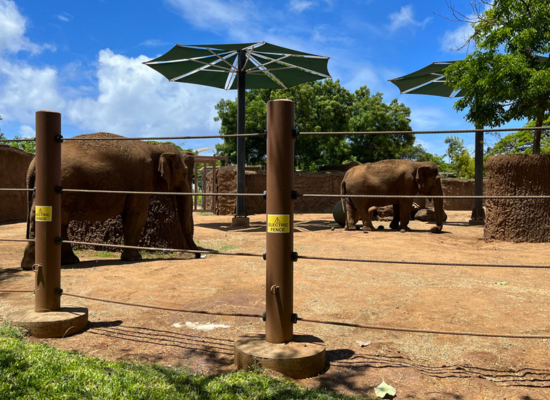
Yesterday in Honolulu with NhRP supporters in attendance, I was honored to appear in court on behalf of elephants Mari…
In Memory of Tommy the Chimpanzee
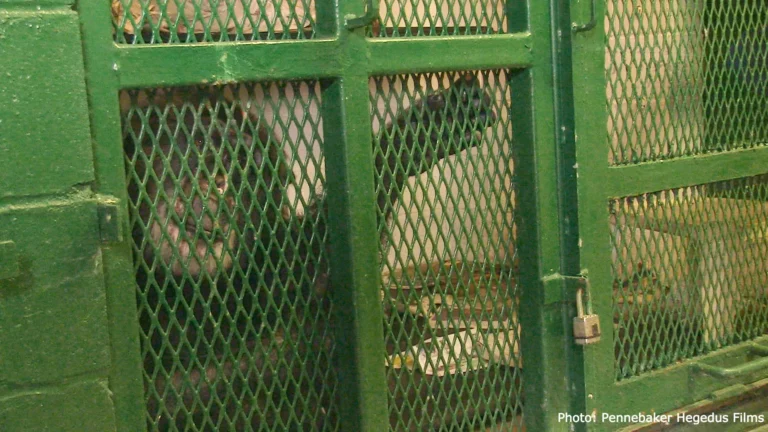
A little over ten years ago, the Nonhuman Rights Project’s founder, lawyer and legal scholar Steven Wise, visited a used…
The Nonhuman Rights Project is hiring a Development Director!
Note: this position has now been filled. The Nonhuman Rights Project (NhRP) is hiring a Development Director to lead and…
Sign up to receive the latest updates on our mission
Find out about opportunities to get involved, breaking news in our cases and campaigns, and more.